AREG AKOPYAN.
Portfolio / Technology Projects / Christian Network
Product design & recorded prototypeProject 002 / Technology

A social platform with faith at its center.

Scripture, classical Christian art, meaningful conversations, and real-world community—reimagined as a distinctive mobile experience.

Artwork-firstHistoric imagery shapes the interface
Daily relevanceBible, scripture, news & data
Community-drivenFriends, events & discussions
Original Figma conceptDesign study / 2025
Read. Connect. Gather.A daily rhythm built around scripture and community.
Not another blank feed.Art-led, layered and unmistakably Christian.
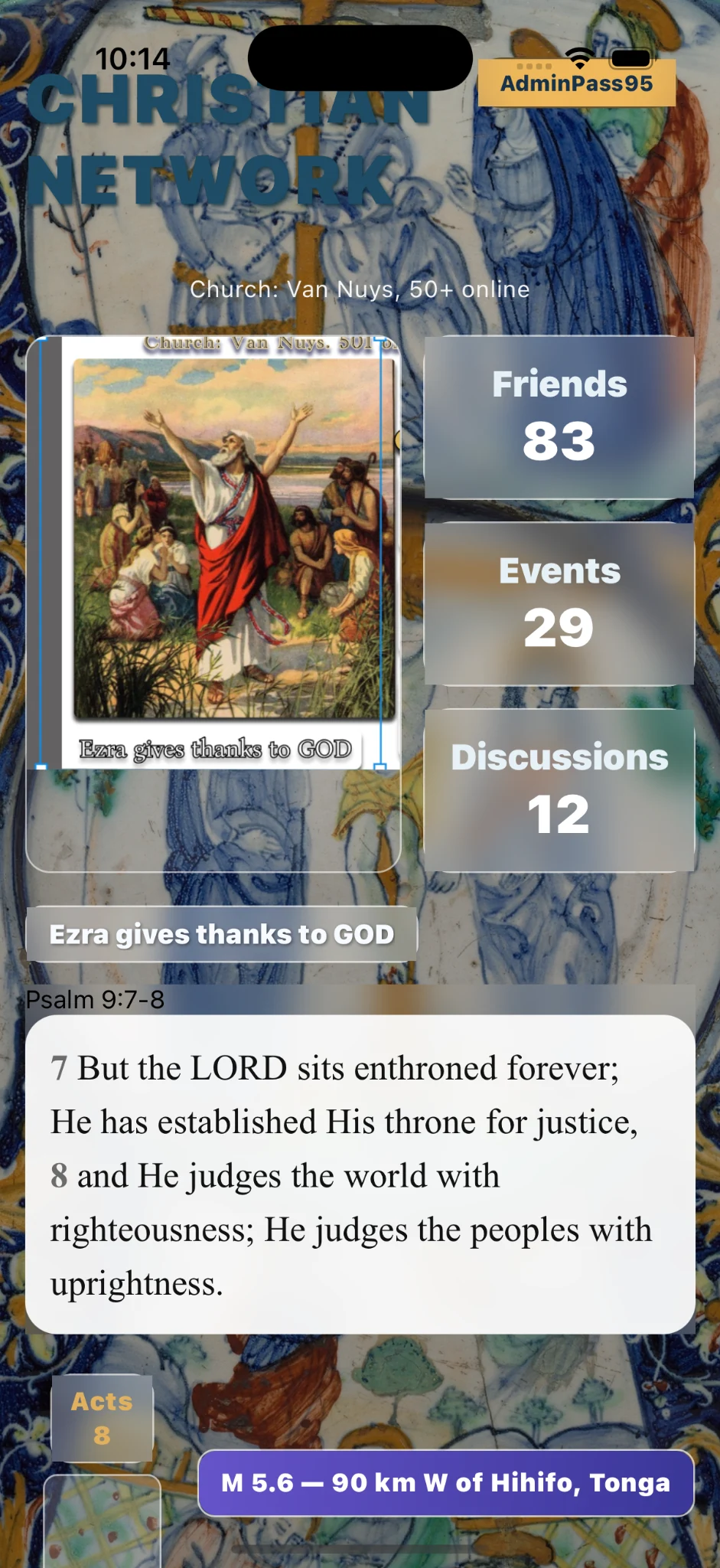
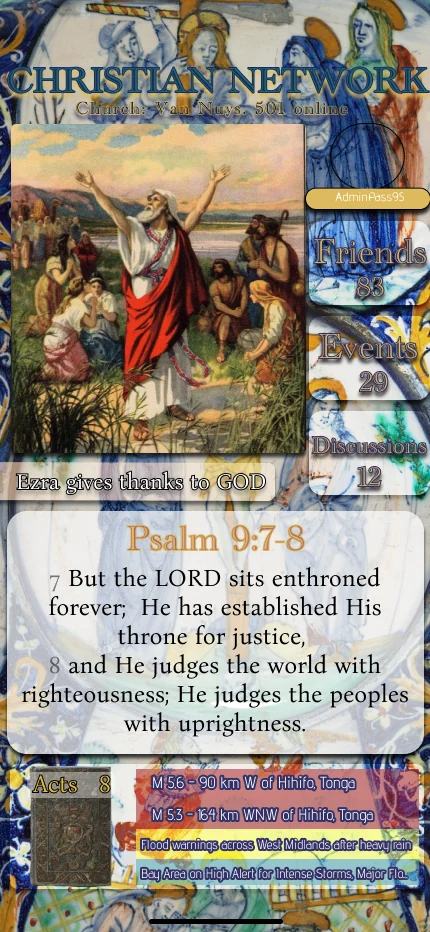
Christian Network mobile concept showing sacred art, Friends, Events, Discussions, a psalm, and news

01 / The product thesis

Built to help people return to something meaningful.

Christian Network combines the familiar mechanics of social media with a faith-first foundation: a full Bible experience, a daily verse, social posting, thoughtful feedback, and local gatherings.

Its distinctive proposal is that spiritual inspiration, personal relationships, and practical information can live in the same carefully designed interface.

Original Figma visual concept · No active user metrics claimed
01 / BELONGING

Local Christian community

Friends and church events connect the digital experience to people who can actually meet.

02 / RITUAL

Scripture each day

Daily readings and refreshed imagery give the homepage a purposeful reason to revisit.

03 / EXPRESSION

Artwork-backed posting

Social content floats above historical visual material instead of an anonymous white feed.

04 / REFLECTION

Likes & Love

A proposed feedback layer explores helpful reactions and encouragement—not merely popularity.

02 / Art is the interface

A living digital gallery—not a generic social-media template.

The supplied prototype uses intricate Christian ceramic artwork as a continuous atmospheric canvas. Posts float above the imagery; new works and stories can arrive as visitors scroll.

It is a memorable visual signature that communicates the purpose of the platform before a user reads a line of copy.

  • Historic decorative artwork as the visual foundation
  • Layered translucent post cards and floating controls
  • Changing artwork and scripture across the experience

Artwork shown is supplied design material. Exact artwork provenance and reproduction permissions should be verified before public launch.

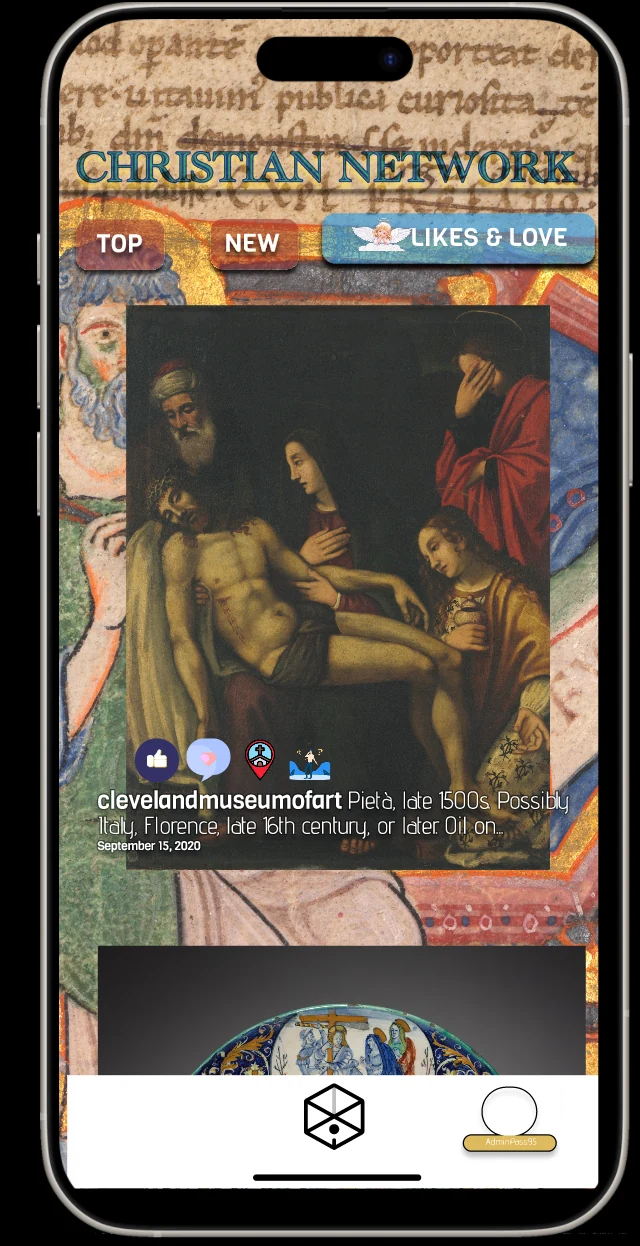
Original Christian Network social feed mockup with artwork, post interactions and Likes & Love controls
Original assets / Provided Figma designs
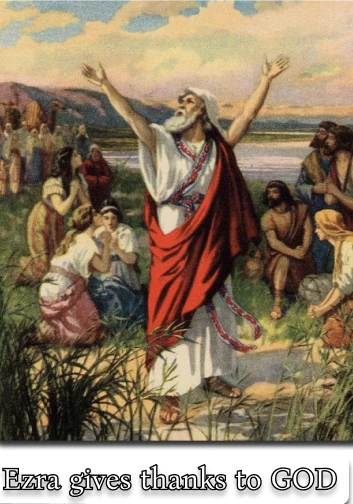
Supplied weekly artworkOriginal Christian Network weekly image composition showing Ezra giving thanks to God

The weekly image / Original asset

Each return can reveal something worth contemplating.

Your “Ezra gives thanks to GOD” image demonstrates the second visual rhythm of the app: a highlighted artwork and scriptural theme that can rotate alongside verse-of-the-day content, community activity and current information.

A visual reason to reopen

Fresh art and a new passage can anchor a recurring moment of reflection.

More than ornament

Art shapes the editorial identity, storytelling and emotional tone of the experience.

This image comes from the supplied Figma export. A production artwork calendar and related content permissions remain to be established.

03 / The home experience

Daily inspiration. Real community.

The original Figma screens are presented as a rotating visual tour. Select a scene to stay on it, or resume the automatic slideshow.

Original Christian Network homepage design showing Friends, Events, Discussions and scriptureORIGINAL FIGMA DESIGN
01 / 05
01 / THE CHRISTIAN NETWORK

One home, a richer daily experience.

Scripture, rotating sacred artwork and clear pathways to friends, nearby gatherings and conversations across the world.

  • Daily Bible and changing featured artwork
  • Personal friends and relationship updates
  • Location-based events and worldwide discussions
Design-stage screens and intended functionality. Counters in the Figma images are examples, not live membership totals.

Friends are accounts the user has connected with. Events are intended to be discovered by the user's chosen location or permitted device location. Discussions are intended for users worldwide. The Figma assets document interface direction; production location search and global forum services remain to be built.

04 / Product system

One faith-centered experience.
Six reasons to return.

The sections below describe demonstrated design elements alongside features still requiring production engineering.

01 / SCRIPTURE

The Bible, every day

A complete Bible experience, verse of the day, and fresh homepage artwork—designed around a meaningful daily habit.

Home screen designed · Bible implementation to validate
02 / POSTING

The art-backed feed

Scroll through posts layered over classical art, with Top/New controls and social reactions. The movement is illustrated in the prototype video.

Visual scrolling prototype shown
03 / BELONGING

Friends & relationships

Instagram-inspired connections focused on encouragement, companionship, and social participation within a Christian community.

Module designed · Backend to build
04 / GATHERING

Events beyond the screen

Church outings, lunches, service, orientations and Sunday school: local invitations that can turn online relationships into shared activities.

Module designed · RSVP flows to build
05 / INSIGHT

Likes & Love

Friends comment in their own words. A proposed ML layer groups recurring themes, highlights three comments and optionally collapses harsh language while keeping originals readable.

Feedback mockup · Dataset and safety validation needed
06 / INFORMATION

Live context & discussion

USGS earthquake updates, two news article positions, and a planned discussion forum combine timely information with conversation.

Source integrations described · Forum not mocked up

05 / The signature interaction system

Real words. Real friendship.
A clearer understanding of both.

A Christian shares a moment from everyday life. Their friends can celebrate, pray, question, disagree or simply write what they think. Likes & Love is designed to understand the conversation—not control it.

Original comments remain intactAI groups recurring themesReaders decide what to reveal
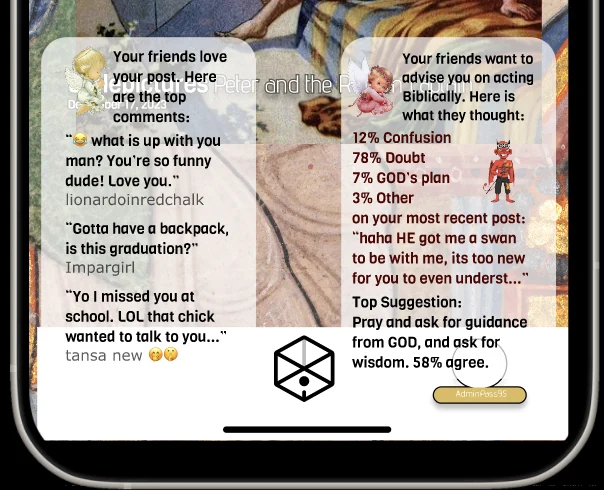
Original Figma Likes and Love interaction mockup
Original Figma concept · comments and thematic grouping in the angel-themed overlay
THE CHRISTIAN NETWORK / LIKES & LOVE

Not a reaction count.
A portrait of the conversation.

The original design places familiar friends' comments beside an angel-themed interpretation of the conversation. It preserves differing opinions and makes large comment threads easier to understand.

Original blue Likes and Love banner with angel illustration

The experience / what the user sees

01 / FRIENDS SPEAK FOR THEMSELVES

Comments are personal—not AI-written.

Friends type freely under a post. The interface can surface several encouraging or representative comments without changing their wording. Disagreement belongs to the conversation too.

“What is up with you man? You're so funny dude! Love you.” — Illustrated comment from the original Figma screen
“Gotta have a backpack, is this graduation?” — Illustrated comment from the original Figma screen

Illustrative text reproduced from the supplied concept image; no live user messages are being fetched.

02 / AI MAKES THE THREAD LEGIBLE

Patterns emerge from many voices.

Machine-learning models would identify recurring words and meaning, cluster related comments, and present an intelligible summary. In this original screen, the example themes are:

These proportions are examples drawn from the Figma mockup, not actual analytics or a trained model result. A deployed model would need explicit rules for overlapping themes and uncertainty.

03 / COMPLETE CONTEXT ON DEMAND

Less noise on first view.
Never lose the original comment.

Particularly harsh or disturbing language can be collapsed by default according to the account owner's preferences. It is not silently rewritten or erased: the reader can select the comment to see the complete original wording.

INTERACTION PREVIEW · EXAMPLE TEXT
Potentially harsh comment Show original ↗

“I really disagree with how you handled that. I think you should apologize.”

This example is intentionally mild; the disclosure illustrates the interface behavior, not automated detection accuracy.

Why an investor should care

The defensible opportunity is the understanding layer.

Ordinary social platforms display a chronological pile of reactions. The proposed Christian Network adds a second layer: user-authored speech, interpretable themes, and direct access to the source comments. The concept can be evaluated independently of whether the underlying feed ever reaches mass scale.

ComprehensionCan users correctly describe what most commenters are discussing?
Faithful representationDo summaries capture disagreement without twisting the original meaning?
ControlCan readers reveal every collapsed comment, and choose their display preferences?
Trust & usefulnessWould people choose this summary over reading a lengthy unorganized thread?
Development boundary: These screens and interactions establish a visual product design, not a deployed AI classification model or verified engagement advantage. The next build should test theme-label accuracy, misclassification, source-comment traceability and user comprehension with informed consent.

06 / Motion & interaction

The idea is already visible in motion.

Two recordings supplied with the project show the visual prototype. These are design demonstrations, not evidence of deployed production services.

Social feed & interactions

Original prototype recording: scrolling through art-backed posts and revealing the Likes & Love interface.

Homepage to community feed

A second recorded walkthrough showing screen progression, feed content and interface compositions.

For accuracy, these recordings are embedded from the original supplied project media and compressed for web playback.

07 / Development & partnership case

What exists. What funding would prove.

A credible technology investment starts with a transparent boundary between a compelling design and a working, measurable product.

Evidence available today

Design-stage assets

  • Original visual identity and wordmark
  • Figma home/feed compositions and UI components
  • Two recorded visual prototype walkthroughs
  • Original historic-art / porcelain interface direction
  • Defined Bible, social, event and feedback concepts

What has not yet been established

Production validation

  • Live user accounts, post storage and moderation systems
  • Independent confirmation of USGS and news integrations
  • Bible translation licensing / content pipeline
  • Auditable, opt-in comment clustering and reveal controls
  • Real active users, engagement, revenue or growth
Investment questionProduct hypothesisEvidence required
Why return?Scripture, refreshed art, friends and current information offer recurring reasons to visit.Daily/weekly retention and meaningful-session testing
Why connect?Encouragement and church events may deepen relationships beyond posting.Message quality, event RSVP and attendance pilot
Why this design?The porcelain-based, art-led visual identity is recognizably different.Usability/accessibility interviews and preference testing
Business potential?Potential future options include church organization tools, supporter memberships and partnership services.Customer interviews, willingness-to-pay studies and unit economics
GATE 01 / DESIGN TO MVP

Build the core

Translate the working visual concept into real authentication, scripture browsing, posting, friends and events, with appropriate moderation.

Go/no-go: stable functioning mobile app and successful usability tests.
GATE 02 / DATA & SAFETY

Make it trustworthy

Implement licensed Bible content, documented external data sources, secure storage and explainable comment-theme analysis that preserves source text.

Go/no-go: data accuracy, accessibility, privacy and safety checks.
GATE 03 / LOCAL PILOT

Measure real value

Run opt-in pilots with participating church communities, validate repeat usage and event attendance, then evaluate a viable business model.

Go/no-go: demonstrated engagement, positive feedback and realistic costs.

08 / Investor diligence

The questions worth asking.

Clear answers today leave room for credible proof tomorrow.

Is Christian Network already a live public social platform?

The supplied evidence demonstrates an original Figma design and recorded interaction prototype. No verified public launch, live user base, or production backend has been established from those materials.

What is distinctive compared with ordinary social media?

The concept integrates a Bible-centered daily experience, a richly artwork-backed feed, freely written comments with an optional machine-learning interpretation layer, and invitations to real-world Christian gatherings. The historical-ceramic visual identity is central to the product.

Are the earthquakes and news already live?

The concept calls for USGS earthquake updates and two news article slots. The attached screenshots show the intended experience, but they do not independently verify live APIs or current licensing arrangements.

How would Likes & Love handle moral or behavioral feedback responsibly?

Friends write their own comments without AI rewriting their words. A proposed machine-learning layer would group recurring themes and surface selected comments. If a comment is especially harsh, the account owner may choose to collapse it behind a reveal control; the full original remains accessible. The model would need documented accuracy, consent and privacy safeguards.

What can a development or investment partner contribute?

Mobile engineering, secure cloud infrastructure, Bible/content rights, data integrations, church pilot partnerships, accessibility, user research and a measurable go-to-market strategy. Commercial terms are exploratory, not a public securities offer.

The Christian Network / Partnership opportunity

Help turn a distinct vision into measured impact.

The visual prototype already communicates the product's identity. The next stage is a carefully scoped build and community pilot: functional software, trustworthy content, real users, and evidence of value.

Development collaboration · Strategic partnership · Licensing or acquisition discussion · Investment inquiry